Tension, The Fuel of Storytelling
It’s a brutal world out there for anyone trying to build an audience or capture people's attention. Whether creating content for Broadcast, Digital or Social, creators are competing for attention with the hottest TikTok Creators, celebrities, and people’s friends and family on Instagram. Powerful storytelling is the best way to stand out in a fractured, AI-flooded media landscape. When MrBeast's internal production guide leaked in 2024, coverage reported that one of his videos lost 21 million viewers in the first minute. But what keeps people engaged in a story? If one manages to grab someone’s attention, how do you keep them from swiping down or just turning away?
Tension is what keeps people tuned in for the duration of a story. Hollywood is famous for creating tension. Horror content keeps us riveted. Study any great film or TV series and you’ll notice the filmmakers employing helpful techniques to keep the audience’s attention riveted to the screen. Creatives can employ the same techniques whether writing a broadcast spot, crafting social content, or branded content. Read on to learn four ways to create tension in your story.

Set up Audience Expectations
Why do some films, books even commercials meander through a muddled story while others are taut and pull audiences effortlessly from scene to scene? Smart storytellers recognize that audiences need meaning. We humans are hard-wired to seek out patterns and meaning in information. And, when we don’t find it, it’s disappointing; we lose focus and attention. To create this meaning, storytellers point the way for audiences with a clearly defined goal for which the main character in the story is striving. Audiences need to understand this goal and when they do, they hope for it to come to fruition, or fear when that goal or the characters come under threat.
The audience needs to know, at the beginning of the story, what to hope for and what to be afraid of. In slasher films, the audience hopes the protagonist will survive the carnage. In rom-coms, audiences hope the couple will get back together. This tension keeps the audience watching right up until the very end.

Promises and Threats
Once the audience knows the goal of the main characters in the story, it’s important to threaten that goal, or offer promises of getting it easily. Horror movies are great at employing dramatic tension: when the audience knows something the characters do not. They’ll hide a threat, such as a trap, behind a door. Then, they’ll cut to the main character wandering through the house. As our main character reaches for the doorknob, we wince, shout, even stand up, “Don’t go in there!” That’s the power of threatening the character’s goal of surviving in a horror film.

Genres Help
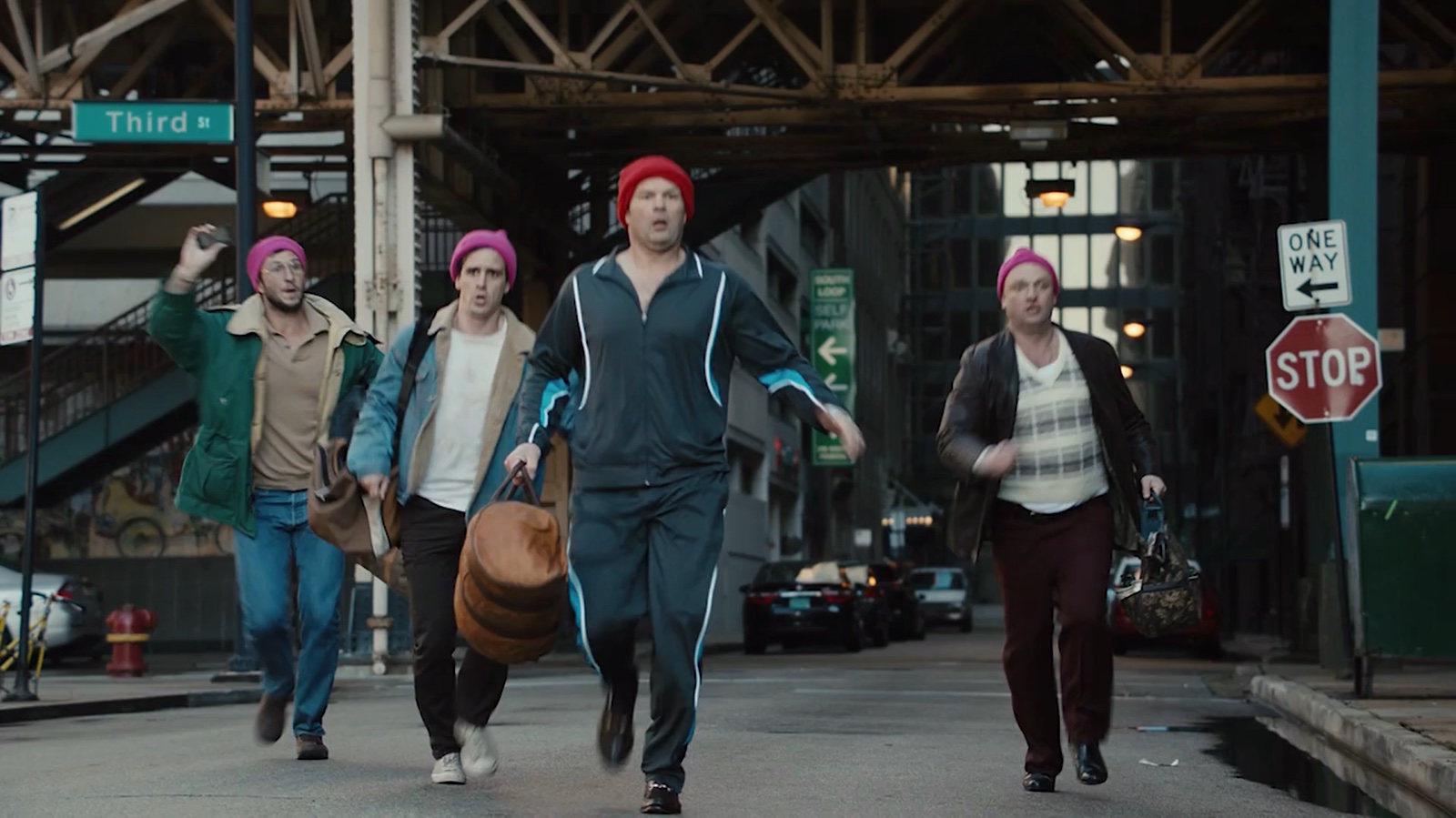
Employing a genre like Horror, Comedy or Western in storytelling is an effective way of communicating expectations to the audience. We know a slasher film will have a body count in the same way we know a Western will have a showdown, and a Kung Fu flick will end with a mano-a-mano battle between the hero and the villain. Genres can also be a great way to surprise your audience when you play with the convention, break the rules and push the limits. For Toyota's Super Bowl 50 spot, the brief was simple: the new Prius could go 600 miles on a single tank. My idea was called The Longest Chase, a disruptive story that played with the audience's preconceived notions of what a getaway car should look and sound like. I wrote the commercial and it cracked Ad Meter's top 10 for best Super Bowl commercials that year. Click here to watch it.
Keep it Unexpected
Never reveal too much to the audience. Exposition is boring. And, boring the audience is the ultimate sin in storytelling. Keep challenging the characters with more and more unexpected threats to their goal. Jaws was supposed to have more shark. The mechanical shark kept breaking down, so Spielberg kept it mostly out of frame and let yellow barrels and a two-note score tell us where it was.

Tension is the fuel that keeps a story charging ahead. And, like fuel, when it runs out, it brings the story to a grinding halt. So, keep the audience guessing right up until the last possible second. Check out my article on how to create and introduce compelling characters here.
Steven Townsend is a Senior Creative Director & Writer living in Los Angeles. He holds an MFA in Screenwriting from USC and has written Super Bowl commercials for global brands. He's the Founder of Aicandia and Creator of SkaterTube.